


Reading and Literacy
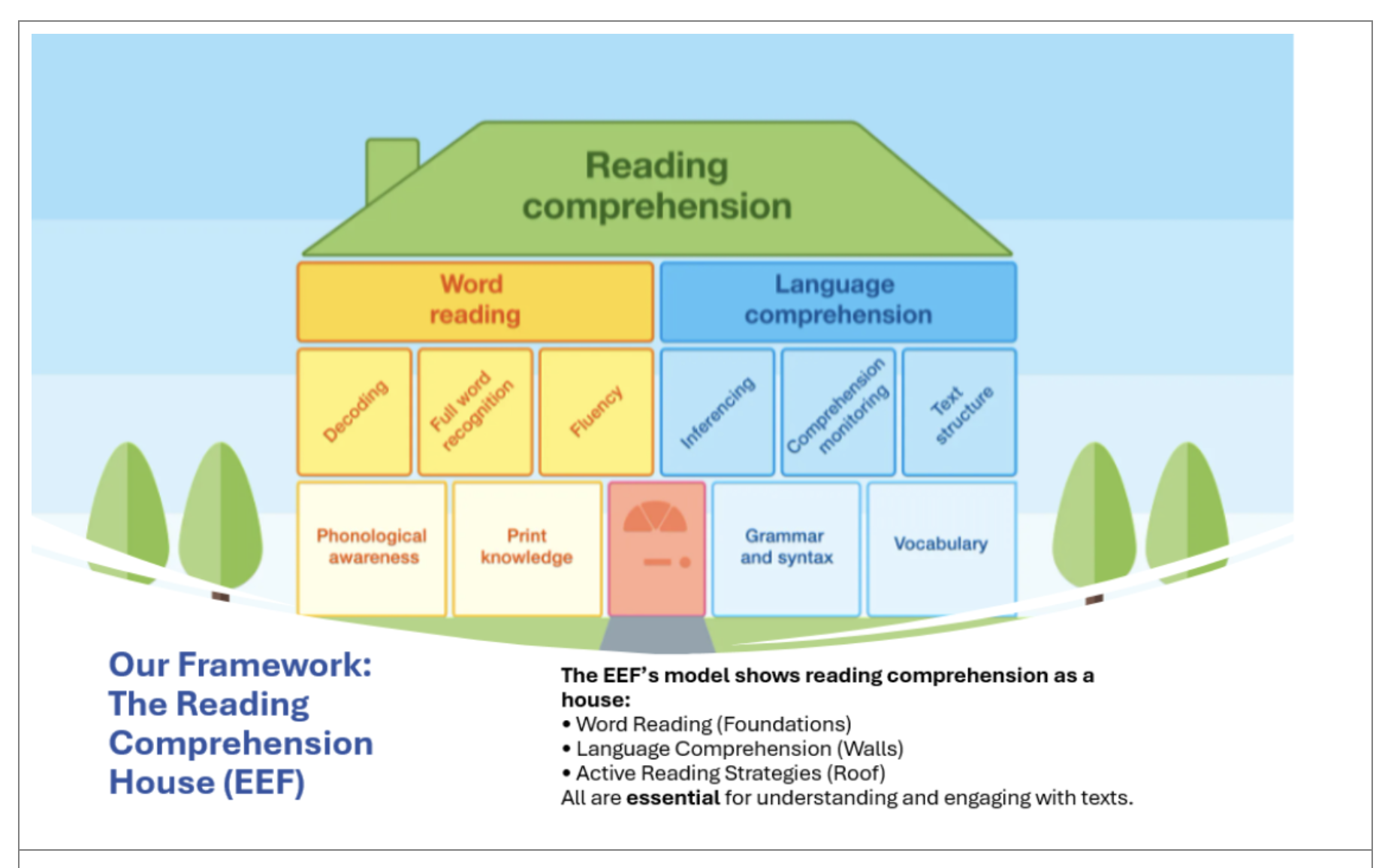
At North Bromsgrove High School, we are passionate about helping students enjoy reading, communicate confidently, to ultimately help them succeed in school and beyond. Our literacy programme is designed specifically for North students, taking their interests, experiences, and needs into account. It is also guided by the latest research in literacy, including the EEF Reading Comprehension Framework, to make sure the strategies we use are informed and effective.
Tutor Read-Aloud Programme (TRAP)
Our Tutor Read-Aloud Programme (TRAP) takes place during the Autumn Term weekly literacy-focused form time session. Each week, tutors read aloud to students, modelling fluent reading and expression, and introducing them to a variety of texts—both fiction and non-fiction.
- Fiction: Short stories like The Sound of Thunder by Ray Bradbury encourage imagination, empathy, and strong comprehension skills.
- Non-Fiction (NF-TRAP): Extracts from books like Sapiens, Thing Explainer, and Atomic Habits get students thinking critically and talking about the world around them.
After reading, students take part in structured discussions, which help them develop comprehension, vocabulary, and oracy skills as they share and justify their ideas. This approach supports all learners—especially those who might not read much at home—and helps students build confidence, communication skills, and a love of reading.
“What’s Going On in This Picture?”
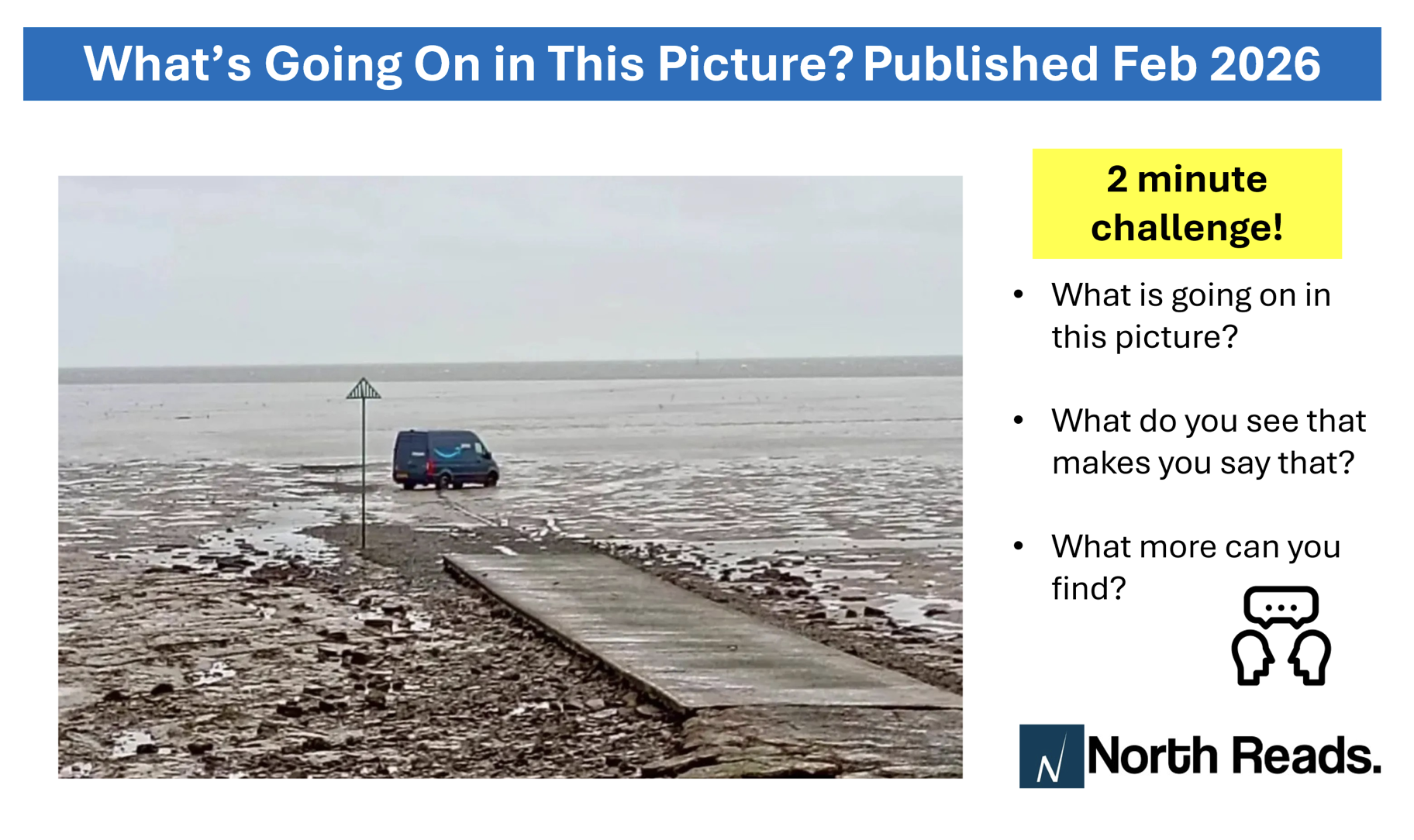
As we enter Spring Term, our form time literacy session focuses on oracy skills. Each week, students are shown a powerful image and asked to think about what’s happening, explain their ideas, and back them up with evidence. Once predictions are made, the reveal is shown- with each image taken from a news article.
These sessions encourage careful observation, reasoning, and discussion, helping students develop speaking and listening skills that are essential not just in school, but in life.
16 Before 16 Reading Challenge
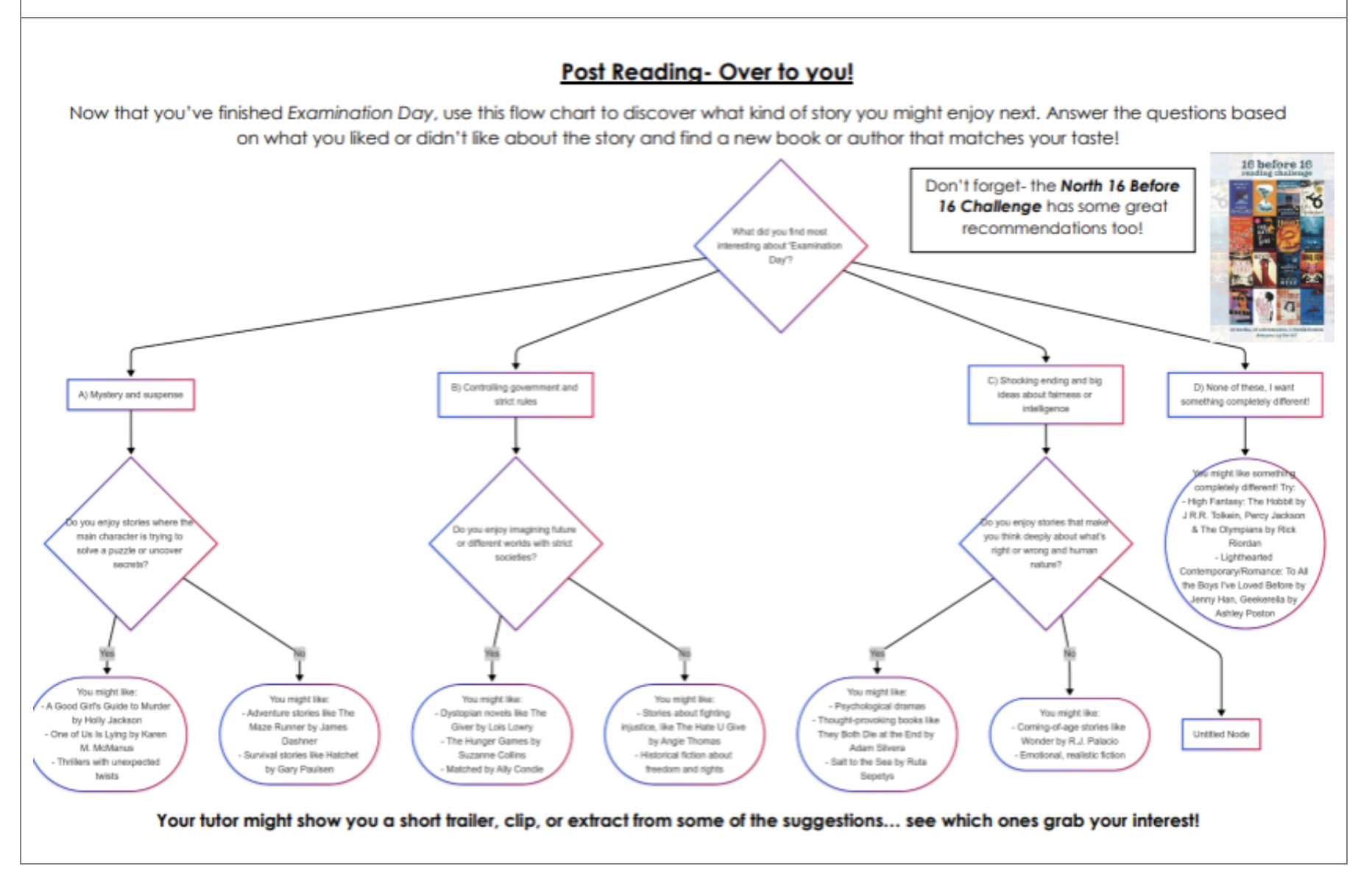
Our “16 Before 16” challenge launched on World Book Day 2024 and is a bespoke reading list for North students, carefully selected by students at North to reflect their interests, experiences, and the diverse world around them.
- It’s designed to build reading for pleasure, while also helping students develop empathy, cultural awareness, and critical thinking.
- Progress is celebrated, which keeps students motivated and encourages a positive reading culture across the school.
References are made to the challenge throughout their form time sessions, with copies of all texts available in the library.
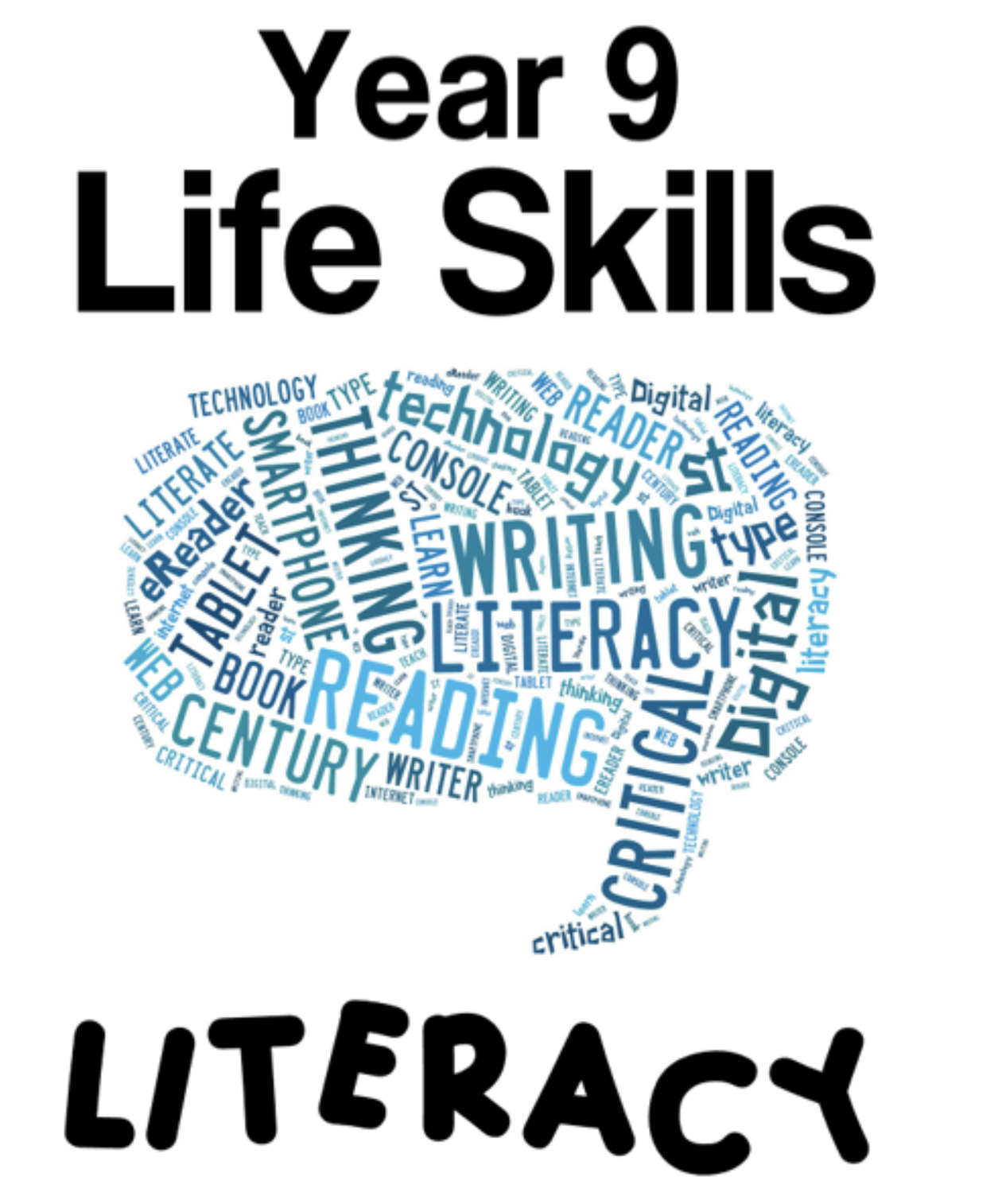
Year 9 Life Skills Programme – Literacy Focus
Our Year 9 Life Skills programme includes a literacy focus to prepare students for Key Stage 4 and beyond. Lessons follow a consistent structure:
- SPaG (Spelling, Punctuation and Grammar) starters
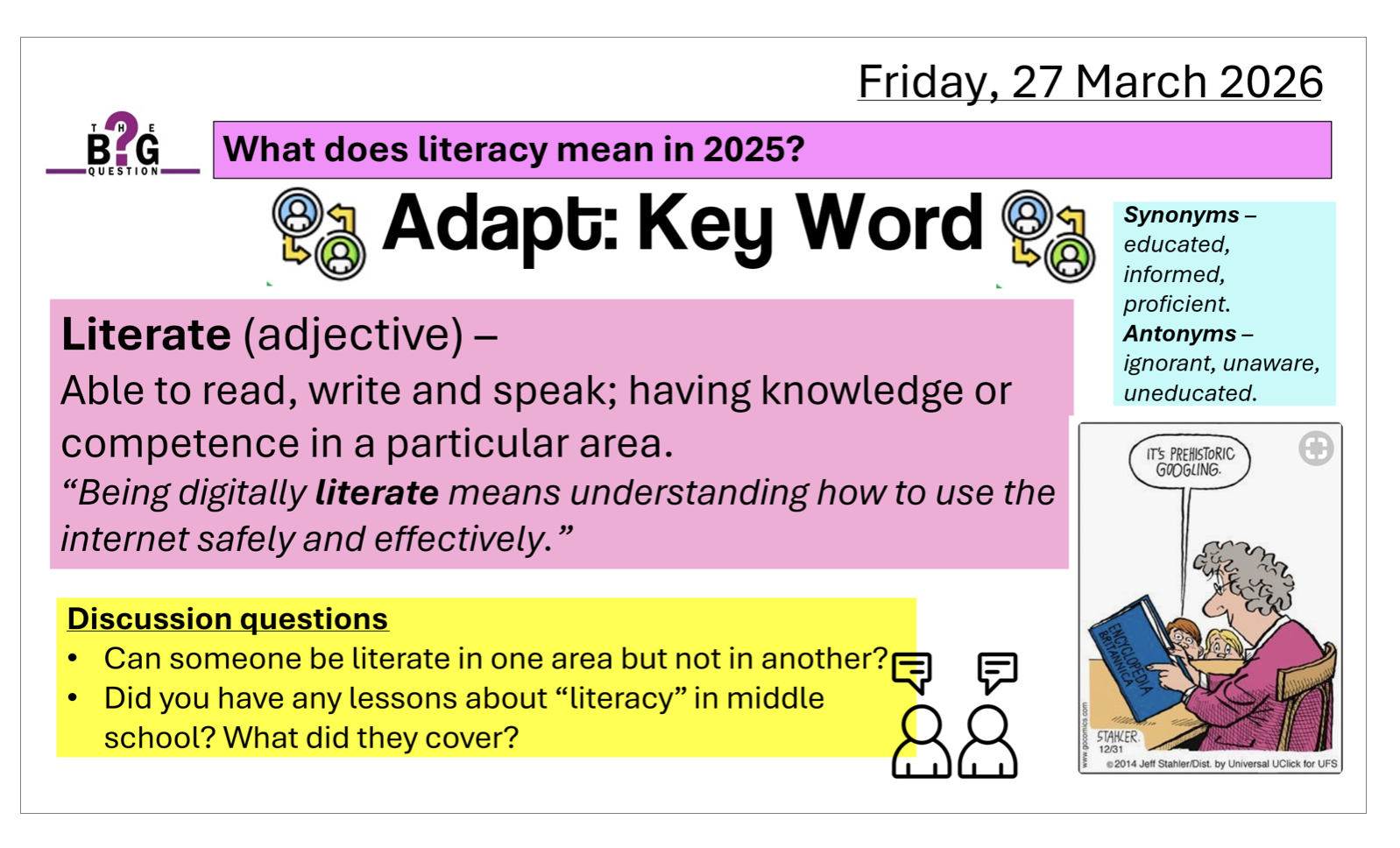
- Vocabulary building with a “Word of the Day”
- Structured discussion and oracy activities
- Independent writing tasks
This programme helps students express themselves clearly and confidently, both in writing and in speech.
Vocabulary Across the Curriculum
We believe that strong vocabulary underpins success in every subject. Across lessons, key words are taught explicitly, displayed in lessons, and revisited often so students can use them confidently.
This helps them:
- Access more complex texts in all subjects
- Explain ideas with precision
- Succeed across the curriculum
Staff receive regular CPD, including strategies from the EEF Reading Comprehension Framework, so everyone is equipped to help students develop language and comprehension skills effectively.
By embedding vocabulary across all subjects, we aim to create confident, articulate learners who can use language purposefully in every area of school life.
How You Can Support Your Child’s Literacy
Literacy thrives when home and school work together. Here’s how you can make a difference:
- Read and Talk Together
- Even 10–15 minutes a day helps.
- Ask about what they’re reading in and out of school—books, articles, or podcasts—and discuss their thoughts.
- Support school and community challenges like our “16 Before 16” to explore different genres and authors, especially some newer titles you might not have seen before.
- Encourage Thinking and Talking
- Use images, news stories, or everyday events as conversation starters: “What’s happening here?” or “Why do you think that?” to build prediction and oracy skills.
- Encourage your child to explain their ideas and back them up with evidence.
- Grow Vocabulary
- Explore new words together and talk about what they mean.
- Encourage them to use subject-specific language at home.
- Make it fun with quizzes or games.
- Support Writing
- Ask them to explain their plan before starting a piece of writing.
- Celebrate careful punctuation, clear sentences, and new vocabulary.
- Encourage them to reflect on feedback and make improvements.
- Make Literacy Part of Everyday Life
- Listen to audiobooks or podcasts together.
- Talk about news articles, menus, or instructions during daily life.
- Model curiosity—show that reading, exploring ideas, and using language matters in all areas of life.
Literacy Support & Reading Resources (UK)
- Bromsgrove Library – A great local resource for book borrowing, events, activities, and reading support for all ages. Check their What’s On / events listings for family programmes. https://www.worcestershire.gov.uk/council-services/libraries/find-library/bromsgrove-library
- National Literacy Trust – Offers reading activities, ideas and guidance to help children and young people enjoy reading and develop literacy skills: https://literacytrust.org.uk/?utm_source=chatgpt.com
- World Book Day – Information about the national celebration of books and reading, including activity ideas and resources for families: https://www.worldbookday.com/ (World Book Day resources encourage reading for pleasure and personal choice).
- Supporting Literacy - For strategies based on research, linked to what we use at North, see the EEF Reading Comprehension Framework: https://educationendowmentfoundation.org.uk/education-evidence/guidance-reports/literacy-ks3-ks4

